Interview Summary
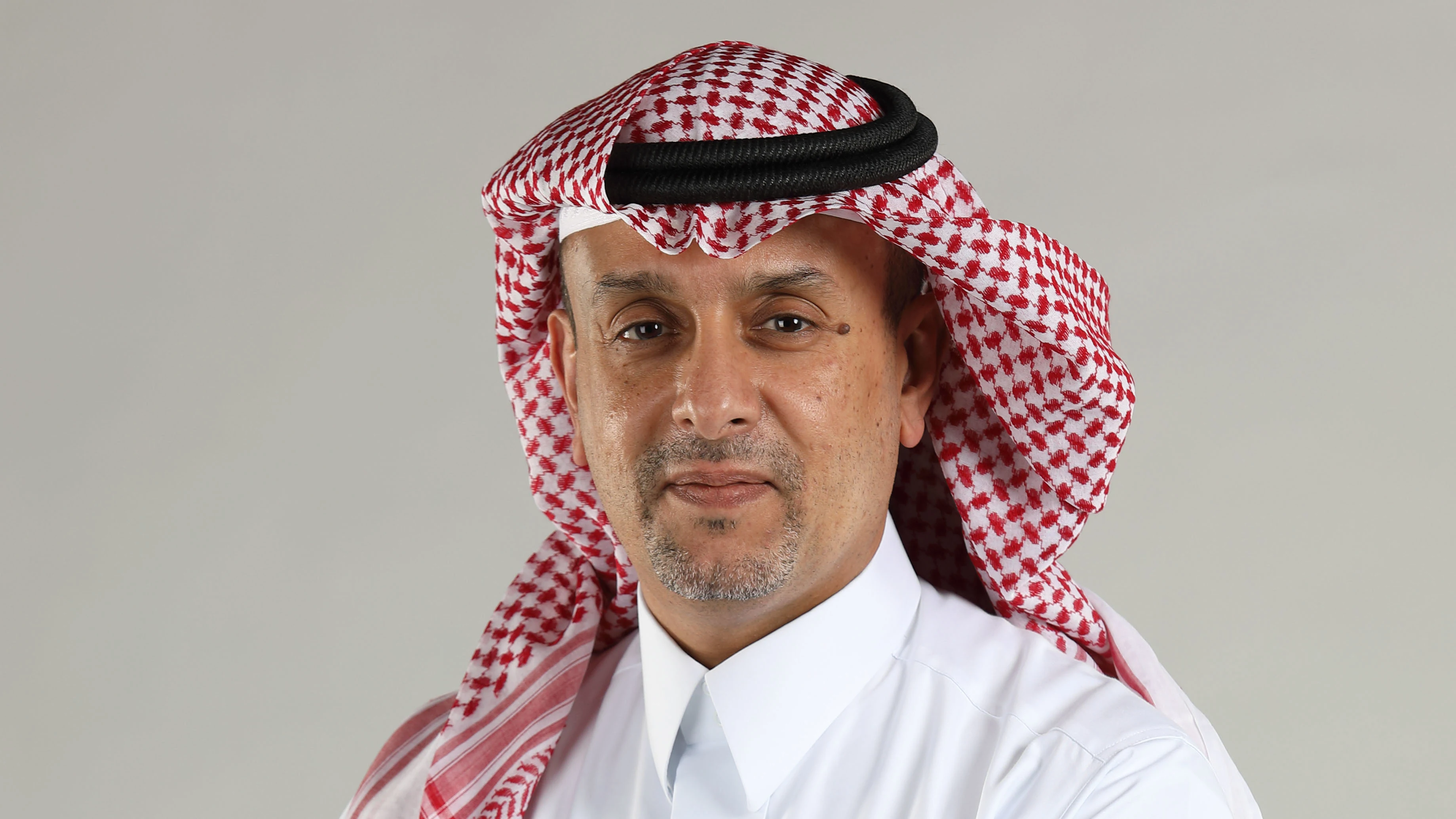
Mohammed Al Faisal serves as the Chairman of the Saudi Telecom Company, based in Saudi Arabia.
The interview begins by Al Faisal discussing how he began his career in the banking sector, which featured joint ventures between Saudi and international banks in the 1980s and 1990s. This experience helped him learn the mechanics of finance and develop professionalism through lateral mentorship. He discusses how the Gulf War (1990-91), religious extremism and bureaucratic hurdles in Saudi Arabia stifled development, resulting in the economic stagnation. A collapse in oil prices in the 1980s also led to a decline in scholarship money, and consequentially, an underinvestment in human capital and limited employment in the government.
Upon graduating from the Harvard Business School in 1996, Al Faisal joined Citibank’s subsidiary in the country, the Saudi American Bank (SAMBA). Talking about his time at HBS, he highlights how learning psychology and sociology beyond case studies proved helpful for people management. He shares how his role at SAMBA laid the foundation for his transition to the Al Faisaliah Group in 1997, when consulting and investment banking were still almost non-existent in Saudi Arabia. He explains his role in changing the corporate structure at Al Faisaliah, which he describes as proprietary due to the intertwining of the company finances and the owner’s wealth. Upon transitioning to a limited liability firm, the group maintained operations of a closed joint-stock firm, which eased the transition into the latter in 2002. In 2010, the group started restructuring its relationship with its subsidiaries.
Discussing capital markets, Al Faisal explains how the availability of capital in the form of debt and retained earnings coupled with limited competition made it easy to scale companies before the 1990s. However, the creation of the Capital Markets Authority and the General Investment Authority in the early 2000s introduced governance, IPO pathways, and regulatory clarity, encouraging family businesses to professionalize and tap into capital markets.
Al Faisal discusses how the Saudi economy began de-risking its heavy reliance on oil revenues after 2015. High oil prices between 2002 and 2013 had boosted investment, he argues, but failed to foster sustainable diversification. Al Faisal notes that the Vision 2030 project, launched in 2016 to transform Saudi Arabia into a diversified and dynamic economy, has proved successful in promoting social openness tourism, and a more proactive foreign policy with a focus on development. He also highlights the significance of “mini giga-projects,” which often get overlooked in the transformation.
Al Faisal joined the board of the Saudi Telecom Company (STC) in 2018. He was tasked to aid STC’s transformation through governance and creation of an efficient ecosystem. By addressing “internal landmines” of cultural challenges, organizational health, and digitization, STC was well-positioned for growth after years of restructuring. He acknowledges that timing, alongside leadership, was critical, particularly as STC’s parent company, the Public Investment Fund, became proactive in overseeing governance and management of its portfolio companies from 2015 onwards. He describes how STC’s public listing in 2003 made the company more transparent and competitive. He concludes the interview with an appreciation of the human talent in STC and the telecom and IT sectors of Saudi Arabia.
If there is one thing that all business schools could teach a little bit more about, it's psychology and sociology. Because you find yourself dealing with people, with behavior, yours and others’, more than anything else.
Download Interview Transcript
Additional Resources
" HRH the Crown Prince and Prime Minister meets with the Chairman of STC Group "
HRH Prince Salman bin Hamad Al Khalifa , November 10,2024.
" Ministry of Sport, stc Group Sign Cooperation Agreement. "
Saudi Press Agency , April 20, 2025.
" RCJY, Al-Faisaliah reach major security agreement. "
Arab News , June 11, 2013.
Interview Citation Format
Interview with Mohammed Al Faisal, interviewed by Tarun Khanna, Boston, Massachusetts, USA and Riyadh, Kingdom of Saudi Arabia, 27 May 2025, Creating Emerging Markets Oral History Collection, Baker Library Special Collections and Archives, Harvard Business School, http://www.hbs.edu/creating-emerging-markets/.