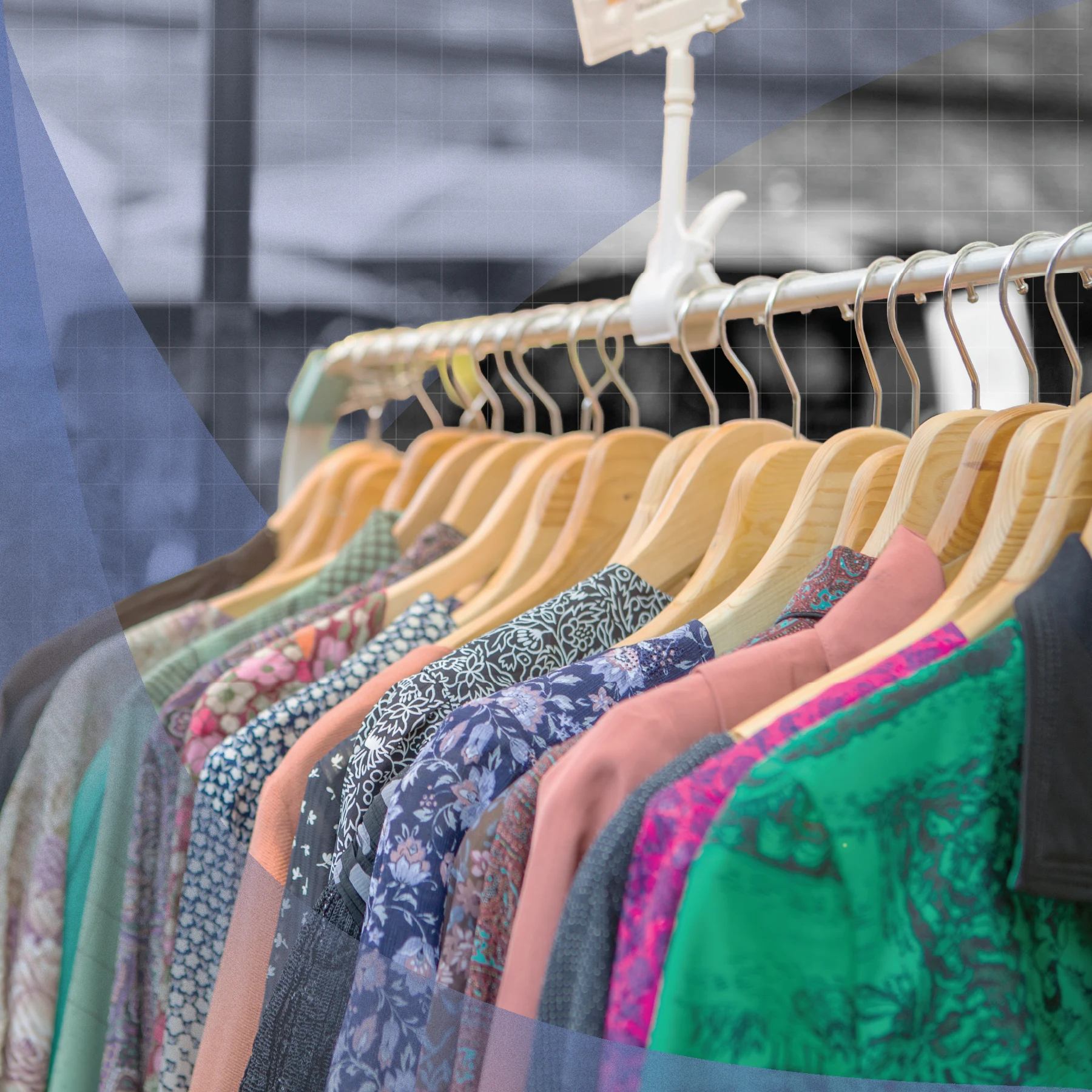
Brands from Shein to The RealReal are cashing in on consumer nostalgia, as a longing for simpler times drives sales of throwback looks. But what exactly is a “vintage” product? And do consumers comb through boutiques seeking vintage clothing for environmental sustainability, Camelot coolness, or some other aspiration entirely?
Harvard Business School Assistant Professor Maren Hoff set out to answer these questions in research that clarifies what consumers value in vintage items—providing insights that could help companies better position products and avoid costly marketing mistakes.
After all, vintage has become big business in a variety of industries, from clothes and jewelry to automobiles and furniture. In fact, the global resale apparel market alone exceeded $204 billion in 2024 and is projected to continue growing, according to GlobalData. Part of the appeal comes from the desire to own something genuinely rare, a sharp contrast to trendy, inexpensive, and widely available fast fashion styles, Hoff says.
“These [vintage] products are highly symbolic and are even a lifestyle choice for many consumers. They value things like sustainability, authenticity, having something that is scarce and unique to them. It feels special wearing something where you feel like, ‘Only I have that,’” says Hoff, who regularly shops for vintage clothing herself.
Yet the term vintage is often used inconsistently, applied to everything from secondhand goods to brand-new retro products, Hoff and coauthor Silvia Bellezza of Columbia Business School say in the Journal of Consumer Research article “Defining and Understanding Vintage,” released in June.
Mislabeling products can cause confusion in the market, lead consumers to overpay for items, and even expose a company to legal risks as products in the booming resale market are scrutinized more closely, she says. In 2024, for example, Chanel prevailed in a lawsuit against luxury reseller What Goes Around Comes Around over the marketing and authentication of Chanel goods.
“We need an understanding for what vintage really means because there is a lot of misuse of the word in the marketplace,” Hoff says.
What draws consumers to vintage products?
To develop a definition of vintage and determine why people value these items, Hoff and Bellezza interviewed apparel dealers and shoppers at the Manhattan Vintage Clothing Show, analyzed more than 2,000 products across 16 categories, surveyed thousands of consumers, and conducted experiments testing how people judge and respond to vintage products. The results of five studies showed:
Vintage has three defining characteristics. Consumers consistently perceive a product as vintage when it’s:
Moderately old, meaning it’s produced in the past, but not outdated, such as clothes from the 1950s to 1990s.
Iconic, representing a cultural symbol of its era, such as a 1960s Ford Mustang that embodies youth, freedom, and rebellion.
Scarce, such as a hard-to-find sneaker or guitar.
Vintage is its own category. The findings distinguish vintage from other terms often used interchangeably in the marketplace. For example, vintage items are unlike secondhand products in that they don’t require previous ownership. They differ from retro products because they aren’t newly made to look old. And unlike antiques, vintage products are meant to be used, not collected.
Consumers buy vintage for authenticity. Compared with other products, vintage makes consumers feel more connected to history, as well as more authentic, cool, and environmentally responsible—benefits that help explain its growing appeal. "There seems to be something so appealing about this label for consumers, beyond, for instance, something that's just thrifted or secondhand," Hoff says.
Vintage products often command premium prices. Among the 1,370 online listings the researchers analyzed, handbags averaged about $530 and dresses about $375.
How to market vintage
For companies operating in the growing resale market, the research points to three ways to better position and promote vintage products.
Define and label products carefully
Companies should reserve the vintage label for products that are moderately old, iconic, and scarce, since clear positioning helps consumers distinguish vintage from secondhand, retro, and antique goods. “One thing marketers can do is better define these products that they're trying to sell,” Hoff says. “Highlighting those three dimensions can boost engagement for vintage products.”
Tap into nostalgia
Consumers aren’t simply buying old items; they’re looking to purchase authenticity, heritage, uniqueness, and a sense of connection to the past, Hoff says. “Nostalgia is a big market trend in general. Consumers are craving that sentiment for the past. The world around us is changing so rapidly, and we have so many innovations, and these pieces from the past make life feel sentimental and remind you of simpler times. I think that's extremely valuable to consumers.”
Match the message to the merchandise
When developing marketing messages for genuine vintage products, it makes sense to emphasize what decade they came from, as well as point out how iconic and scarce they are, but those same messages don’t necessarily work for new products designed to look vintage.
Photo credit: Adobe Stock/sirirak.