Marketers might have feared that sweeping privacy laws passed in California and Virginia would chill customer data sharing. Evidence from one large platform suggests the opposite might be true: consumers appear more willing to share data.
An analysis of behavior on a large customer engagement app suggests that added disclosures and permission requests put people at ease. As a result, app users in those states submitted 9% more information, in the form of purchase receipts, than elsewhere, says research by Harvard Business School’s Ayelet Israeli and Eva Ascarza.
US states have been passing stricter and more complex laws requiring companies to obtain permission before sharing—or selling—customer data. The findings suggest that marketers and online platforms might benefit from these regulations as much as consumers, who feel more confident about consenting.
“The new regulations seem to have changed customers’ perceptions about privacy protections,” says Ascarza, a professor in the Marketing Unit. “The evidence suggests that increased trust is a key mechanism driving this change.”
Ascarza and Israeli share their findings in the August working paper “In Privacy We Trust: The Effect of Privacy Regulations on Data Sharing Behavior,” coauthored with Ozge Demirci, an assistant professor at Imperial Business School in London.
When consumers feel better about giving data
Regulations that expanded consumers’ control over how firms use their personal information went into effect in California and Virginia in 2023. Some industry groups considered the rules too onerous, while some consumer advocates said they were too business-friendly and didn’t go far enough. However, behavior suggests that consumers in those states found the regulations reassuring.
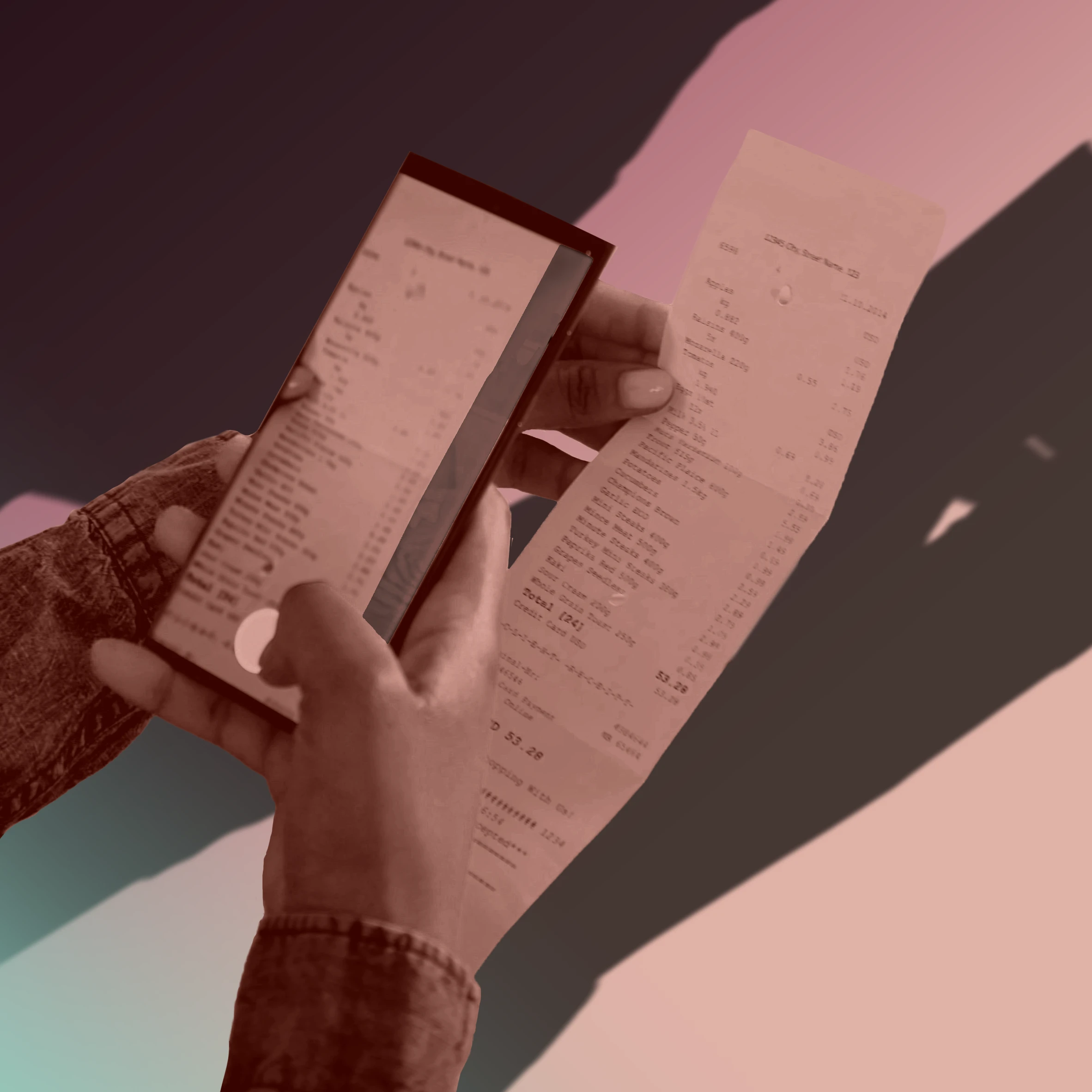
The authors worked with a “leading customer engagement” app that invites users to submit shopping receipts to earn discounts and rewards, while collecting their behavioral data. This platform works with brands that pay to promote their products to gain insights into consumer behavior.
The researchers analyzed nearly 16,000 randomly selected customers across the US, comparing their behavior before and after the 2023 privacy laws took effect. During the six-month study period, they collectively received more than 2,500 offers from the app, most of which were available nationally.
Compared with other states, consumers in California and Virginia gave the app:
More receipts. They added 1.5 additional receipts per month, indicating a greater openness to share information in general.
More data on “core consumption.” The app logged 5% more unique store visits from those customers, who were more willing to share purchases in the food and beverage and department store categories.
A wider variety of data. The number of distinct retail categories reported climbed 4%. The number of unique store zip codes also rose.
“The finding that customers now share more variety of information about themselves is exciting: as a marketer, I don’t just see more of the same about my customers, but I also observe more distinct behaviors, so I get to know them better,” says Israeli, the Marvin Bower Associate Professor of Business Administration.
To further test their findings, the researchers analyzed participation in the US Bureau of Labor Statistics’ Consumer Expenditure Surveys over a similar period. They found that survey respondents in California and Virginia became more willing to share spending information after the new privacy laws were implemented.
The pattern was further reinforced by Google search data, which indicated that people in those states became more aware of privacy after the regulatory changes. The authors also confirmed that the app didn’t offer promotions or make changes during the period that would affect behavior.
Privacy as a financial lever for brands
Despite the systems and controls that brands often need to manage customer data at scale, the research suggests that gaining customer trust can provide a meaningful competitive advantage. The peace of mind that customers gain from privacy regulations could enable marketers and brands to:
Tap previously reluctant consumers
The largest increases in data sharing occurred among customers who, prior to implementation of the new laws, were initially less inclined to share information. This finding suggests that the privacy protections may have been particularly effective in increasing participation among more hesitant individuals, they write.
Rely less on financial incentives
Netting one or two extra receipts a month because of external regulation changes might not sound large, but the gain could be significant—and low cost—for a platform with tens of millions of users. It would likely cost the app far more to pay users to supply more information, the paper says.
“Privacy protections can be as influential as financial incentives in encouraging user engagement,” the authors write. “Unlike monetary awards, however, privacy regulations may have lasting effects by … building trust and reducing perceived risks over time.”
Rethink how they approach privacy regulation
Many companies and trade groups pay lobbyists to fight such rules, but the findings reveal how regulations can go a long way in building trust. Contrary to expectations, more “transparency requirements, opt-out controls, and well-communicated privacy measures” could help companies collect potentially more and better data.
“Consumers get more privacy protections and businesses get more of the information they want. It’s a somewhat surprising result, but when you think about it, it’s not,” Ascarza says. “People appear to feel more protected by the new laws, which might explain their greater willingness to share information.”
Illustration created with photo from Adobe Stock/Andrey Popov.
Have feedback for us?
In Privacy We Trust: The Effect of Privacy Regulations on Data Sharing Behavior
Demirci, Ozge, Ayelet Israeli, and Eva Ascarza. "In Privacy We Trust: The Effect of Privacy Regulations on Data Sharing Behavior." Harvard Business School Working Paper, No. 26-001, July 2025.