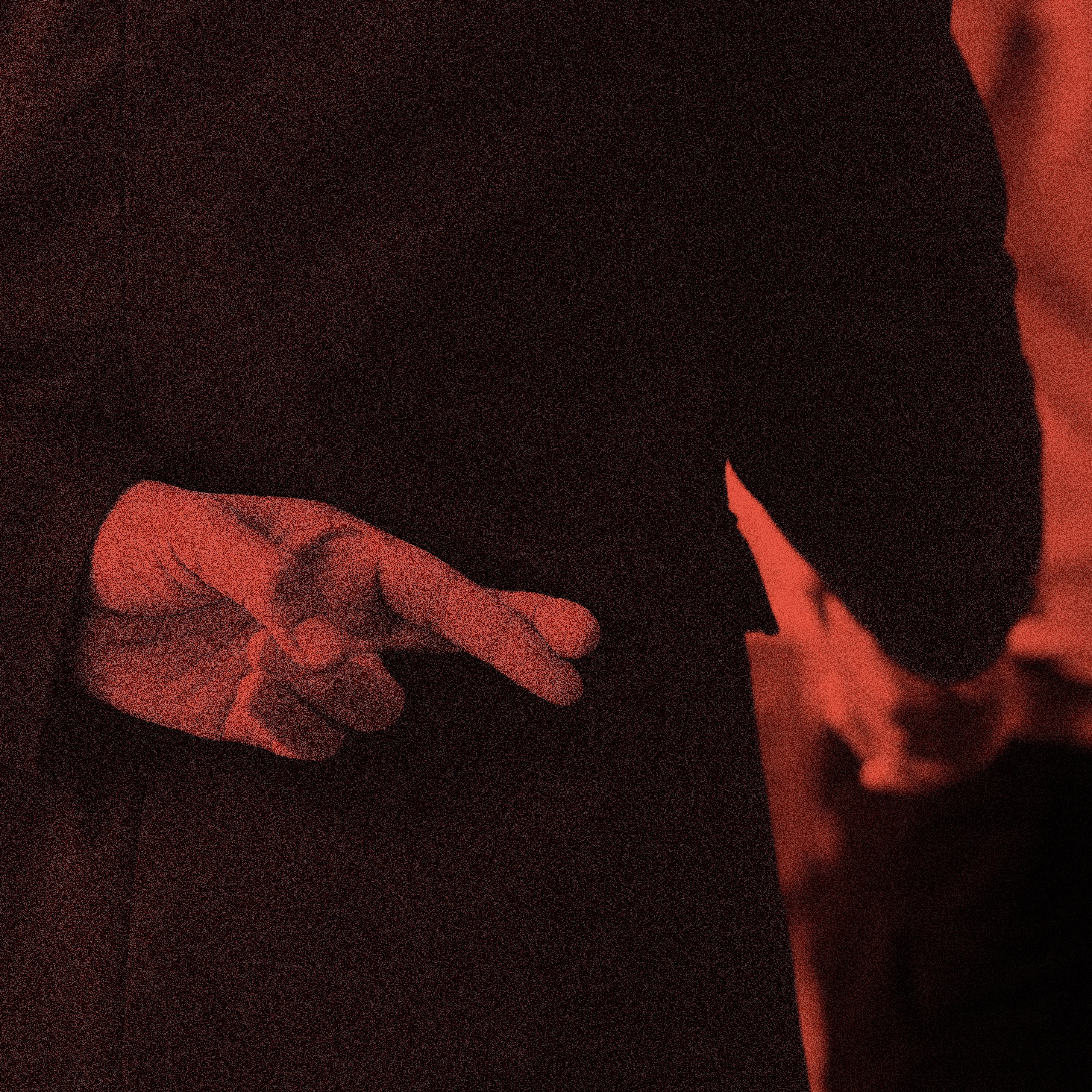
It can be tempting to bend the rules when times get tough.
For businesses operating in an era of economic pressure, preventing cheating starts with understanding why employees might do it. An in-depth study of data collected before and during the COVID-19 pandemic in Kenya offers some insight into how financial stress affects honesty.
Spoiler alert: Almost everyone cheated.
Before the pandemic, the majority of the 5,500 Kenyans studied turned down easy money to tell the truth, reinforcing a body of research pointing to most humans' intrinsic desire to do the right thing. But when the pandemic cut monthly earnings in half for many and hardship dragged on, estimated cheating for personal gain rose from about 40% to more than 90%.
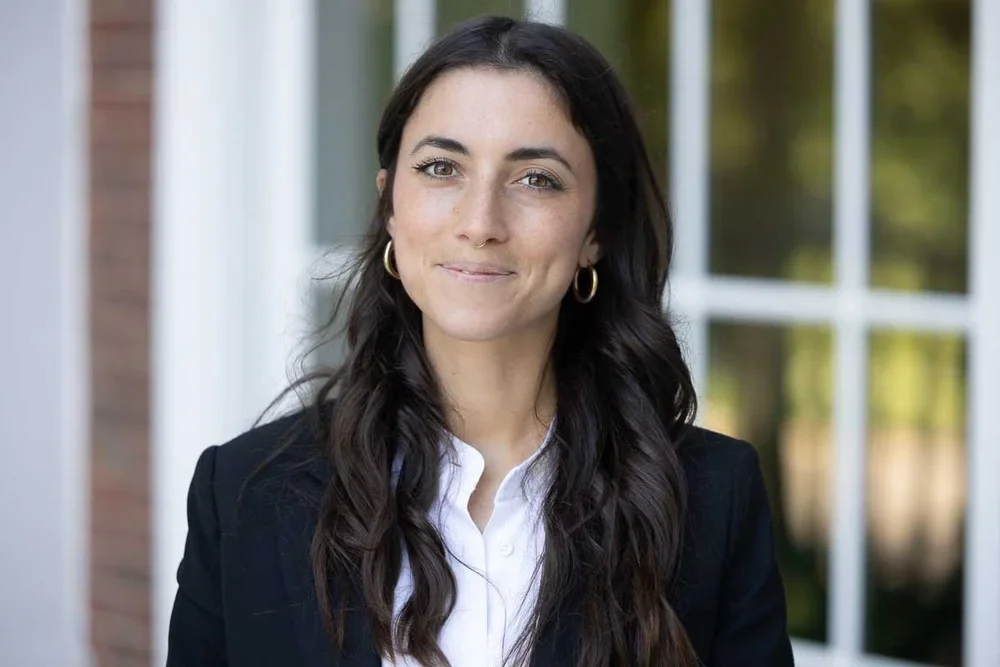
What does that mean for businesses? If incentives are strong enough (people need money and see shortcuts to get more of it) and supervision is lax enough, employees might face stronger incentives to misreport or to cut corners. Consider moments when employees may be tempted to cross the line while self-reporting their schedules, handling cash, or processing expenses and claims, says Livia Alfonsi, an assistant professor at Harvard Business School.
“Firms often focus on identifying bad apples, but our findings show that many people who behave honestly under normal conditions can shift their behavior under acute economic pressure, particularly when incentives to misreport are meaningful and detection is unlikely,” says Alfonsi, who coauthored “Hitting Rock Bottom: Economic Hardship and Cheating.” “This is not a story about a few dishonest individuals, but a story about how economic conditions can systematically shift behavior.”
The findings are especially relevant in a global environment marked by persistent inflation, rising household debt, employment instability, and economic uncertainty, conditions that mirror the sustained stress most strongly associated with increased cheating. Alfonsi cowrote the January working paper with Michal Bauer and Julie Chytilová, both professors at Charles University, and Edward Miguel, professor at the University of California, Berkeley.
An ‘incredible data source’ to explore dishonesty
The researchers studied data related to 5,664 middle-aged Kenyans who were included in a large-scale Kenyan Life Panel Survey, a longitudinal study currently in its 25th year.
The panel follows the labor histories, socioeconomics, family composition, savings, and investments of more than 15,000 people. “This is just an incredible data source,” says Alfonsi. “There's nothing of this sort anywhere in the global South, as far as I'm aware.”
Every five years, researchers add new questions to the survey, and in the most recent cycle, they included a “cheating module,” which formed the backbone of Alfonsi’s paper.
What made that new addition extraordinarily telling, she says, was the unexpected shock of the coronavirus pandemic. By chance, in the few months that surveyors took a break, COVID-19 hit, providing a clean, organized before-and-after period to examine.
Playing a ‘mind game’
To catch people lying for personal gain, the researchers used a well-known coin-toss experiment called the “mind game.” This test, which involves flipping five coins, assumes that the odds of getting heads or tails are even.
The researchers asked participants to guess the outcome of each toss in their minds and report their guesses publicly only after seeing the actual results. The payout increased the more a player publicly picked a winner.
This design allowed researchers to reasonably estimate cheating: Randomization was inherent in the toss, and participants earned more for reporting winning results, so they had an incentive to misreport their picks.
What spurs dishonest behavior?
In analyzing the results, the researchers found:
Higher incentives led to more cheating. When the payoff for picking a winner rose from 40 to 200 Kenyan shillings—an increase from 30% to 151% of average daily income—cheating rose from 42% to 71%.
Economic stress sharply increased deceptive behavior. The pandemic caused ongoing financial strain, with many households dealing with economic insecurity and food shortages, especially in urban areas. Poorer respondents were more prone to rule-breaking than richer ones, the researchers found.
Overall, compared to the pre-pandemic period between September 2018 and February 2020, the researchers found that cheating rose by 67%, or 29 percentage points, from 43% to 72% between October 2020 and October 2021, regardless of the incentive size.
Misconduct increased gradually over time. When people feel sustained financial stress, cheating often spreads slowly, as dishonest behavior becomes more acceptable, leading even more people to follow suit.
“Cheating did not spike at the onset of the crisis and then recede,” Alfonsi says. “It rose gradually over more than a year, a compounding pattern that suggests the risk is greatest not at the start of a downturn but deeper into it, after sustained pressure has had time to erode the norm.”
Alternative factors didn’t come into play. The researchers tested other factors, such as participants’ health and location, and found that the increase in cheating was primarily driven by economic hardship and incentives, rather than by these other variables.
“This large survey allows us to isolate the role of economic hardship from other causes of cheating,” Alfonsi says. “Like, you could imagine that it could be that people are in poorer health, and so it's not really an economic shock, but we have data that allows us to rule that out.”
How businesses can encourage honesty
Alfonsi says the results point to several practical steps firms can take to reduce graft by addressing the conditions that are most conducive to cheating:
Avoid temptation
Alfonsi suggests that businesses design systems where small misrepresentations do not generate outsized personal rewards, especially in low-visibility areas, such as inventory, procurement, and customer-facing transactions. “In all of these settings, the structure mirrors our study: private information, a financial reward for misreporting, and limited visibility,” making them particularly prone to cheating, she says.
Audit self-reported data
Because the study shows that issues rise when outcomes are private, introducing greater oversight and verification—such as random checks or independent validation—can reduce opportunities for misreporting and increase the chances of detection.
Reduce desperation
Business leaders should be aware that layoffs, pay cuts, reduced hours, or broader economic shocks may shift workers’ calculus in favor of cheating, Alfonsi says. When workers are under greater financial strain, providing predictable compensation and income stability might lower the pressure that leads to dishonest behavior.
Support people’s baseline preference for honesty
Many people do not cheat under normal circumstances, even when cheating would be financially rewarding. Firms should not treat misconduct as inevitable, but instead design environments that protect people’s tendency to do the right thing. That includes creating channels where employees can raise financial or personal difficulties early and be met with support rather than suspicion.
Photo credit: Adobe Stock/Pcess609
Have feedback for us?
Hitting Rock Bottom: Economic Hardship and Cheating
Alfonsi, Livia, Michal Bauer, Julie Chytilová, and Edward Miguel. "Hitting Rock Bottom: Economic Hardship and Cheating." Harvard Business School Working Paper, No. 26-044, January 2026.